Neurology & Spine Care Abroad
Your Brain. Your Spine. Your Second Chance
Connect with India, Thailand, and China’s leading neurosurgeons for advanced brain, spine, and nerve treatment — trusted second opinions, transparent cost estimates, and a dedicated care coordinator from Dhaka to discharge
Advanced Neuro Care, Closer Than You Think
Neurological and spinal conditions demand precision, speed, and experience. Shohoj Medical Service connects Bangladeshi patients with hospitals recognized for microsurgery, cyberknife, radiosurgery, minimally invasive spine correction, scoliosis, PLID and complex brain procedures — backed by neurosurgeons who perform hundreds of these operations every year. From the first MRI report to post-operative rehabilitation guidance, our team manages logistics so your family can focus on recovery.
Treatment for Various Neuro & Spine Conditions

Brain Tumor
Treatment for both benign and malignant brain tumors, including Glioma, Glioblastoma (GBM), Meningioma, Pituitary Tumors, Acoustic Neuroma, Astrocytoma, Oligodendroglioma, Ependymoma, Medulloblastoma, Craniopharyngioma, and Metastatic Brain Tumors.

Spinal Cord Tumor
Treatment for all major Spinal Cord Tumors, including Meningioma, Schwannoma, Neurofibroma, Ependymoma, Astrocytoma, Hemangioblastoma, Chordoma, Myxopapillary Ependymoma, Intramedullary Tumors, Extramedullary Tumors, and Metastatic Spinal Tumors.

Herniated / Slipped Disc
Treatment for all major Herniated (Slipped) Disc conditions, including Cervical Disc Herniation, Lumbar Disc Herniation, Thoracic Disc Herniation, Bulging Disc, Prolapsed Disc, Extruded Disc, Sequestered Disc, Degenerative Disc Disease, Sciatica, and Nerve Compression.

Spinal Stenosis
Treatment for Cervical, Thoracic, and Lumbar Spinal Stenosis, as well as Central Canal Stenosis, Foraminal Stenosis, Lateral Recess Stenosis, Degenerative Stenosis, and Nerve Compression caused by spinal narrowing.

Parkinson’s Disease
Advanced Parkinson’s treatment options include Medication Therapy, MRgFUS, Deep Brain Stimulation (DBS), CyberKnife, Physical Rehabilitation, and Long-term Symptom Management.

Scoliosis & Spinal Deformity
We help patients with Scoliosis, Kyphosis, Lordosis, Congenital Spinal Deformities, Adult Degenerative Scoliosis, Flatback Syndrome, Spondylolisthesis, and Post-Traumatic Spinal Deformities.

Trauma injury and Fracture
Treatment for Brain & Spinal Trauma, including Traumatic Brain Injury (TBI), Skull Fractures, Spinal Fractures, Spinal Cord Injury, Head Injury, Cervical Spine Trauma, Thoracic & Lumbar Spine Injuries, Compression Fractures, and Complex Neurotrauma.

Pediatric Neurosurgery
Treatment for Pediatric Neurosurgical conditions, including Hydrocephalus, Spina Bifida, Brain Tumors, Spinal Cord Tumors, Chiari Malformation, VP Shunt, Moyamoya diseaseCraniosynostosis, Epilepsy, Tethered Cord Syndrome, Arachnoid Cysts, and Congenital Brain & Spine Disorders.

Other types of Neuro issues
Complex Neurological Disorders: Stroke, Epilepsy, Brain Aneurysm, AVM, Trigeminal Neuralgia, Hemifacial Spasm, Multiple Sclerosis (MS), ALS, Peripheral Nerve Disorders, and Movement Disorders.
LATEST TECHNOLOGIES FOR NEURO & SPINE TREATMENT


Gamma Knife® Radiosurgery — Non-invasive, frame-based precision treatment for brain tumors and vascular malformations without open surgery.
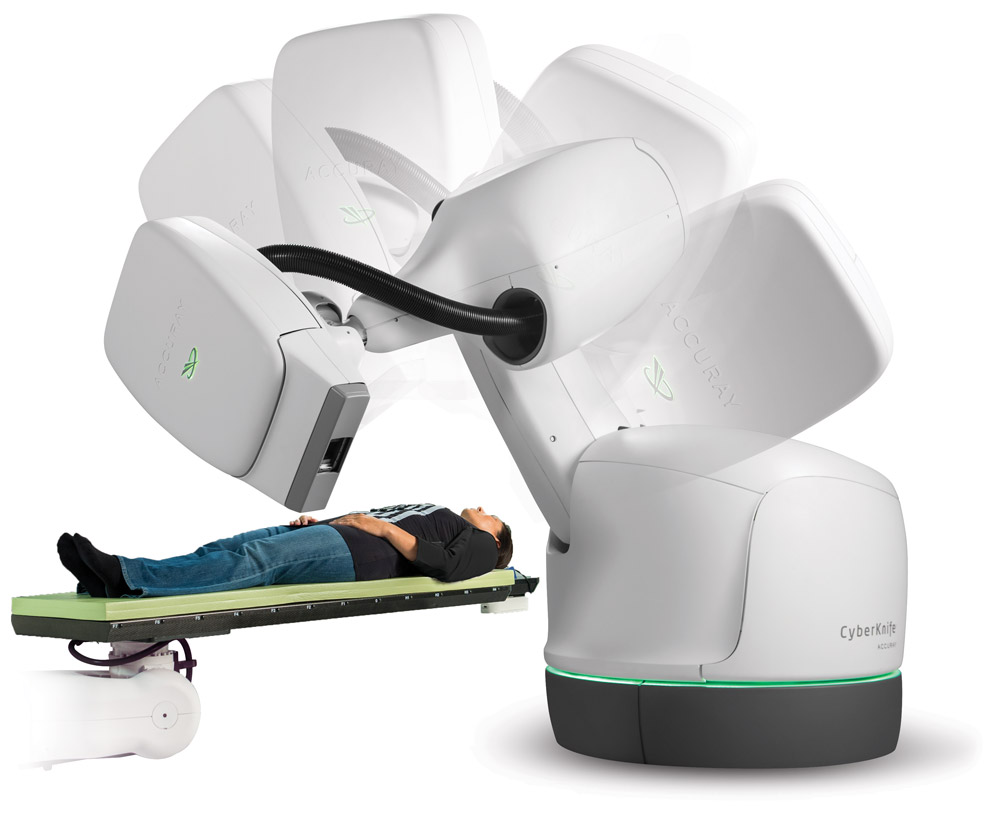
CyberKnife® — Robotic radiosurgery for spinal and brain tumors with sub-millimeter accuracy, no incision required.
Awake Craniotomy — Real-time brain mapping during surgery to protect speech, movement, and cognitive function while removing tumors near critical areas.
Endoscopic Spine Surgery — Minimally invasive disc and stenosis correction through a small incision, faster recovery than open surgery.
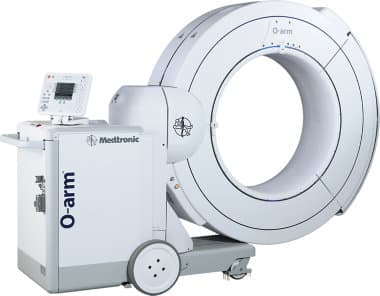
O-Arm / Neuro-Navigation Systems — 3D intraoperative imaging guiding screw placement and tumor resection with millimeter precision.
Deep Brain Stimulation (DBS) — Implanted electrodes to manage Parkinson’s disease, tremors, and dystonia.
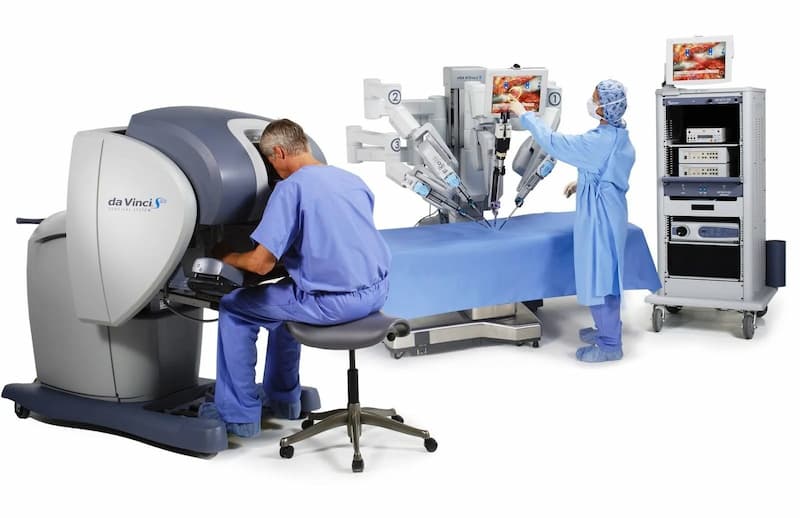
Robotic Spine Surgery — Robot-assisted instrumentation for complex deformity correction and fusion procedures.
Intraoperative MRI/CT (iMRI) — Real-time imaging during surgery to confirm complete tumor removal before closing.
Frequently asked questions (FAQ)
Not every spine problem needs an operation. Many cases of disc bulges, mild stenosis, or early-stage nerve compression respond well to physiotherapy, medication, or injections first. Our recommended approach is to send us your MRI/CT report and any specialist notes — a neurosurgeon on our partner panel will review them and tell you honestly whether surgery is necessary or if conservative treatment should be tried first.
In some cases, yes. For smaller tumors, or tumors located in areas that are difficult or risky to reach with open surgery, radiosurgery options like CyberKnife® or Gamma Knife® can treat the tumor without any incision. These technologies deliver highly focused, high-dose radiation precisely to the tumor over one or a few sessions, sparing the surrounding healthy brain tissue. It’s not suitable for every tumor — size, location, and type all matter — but for eligible patients, radiosurgery can avoid the risks and recovery time of open surgery entirely. Once we have your MRI/CT report, the reviewing neurosurgeon will tell you clearly whether you’re a candidate for this non-surgical approach.
It depends on the tumor type, complexity, and your budget. India offers a strong combination of highly experienced neurosurgeons and competitive pricing, making it the most common choice for Bangladeshi patients. Thailand is known for hospital comfort and shorter wait times, often suited to patients wanting a more premium experience. China has made significant advances in specific radiosurgery and oncology-linked neuro treatments. Once we review your report, we’ll recommend the country and hospital best matched to your specific case.
Costs vary widely depending on the procedure — a single-level disc surgery is very different in price from a multi-level spinal fusion or deformity correction. In general, treatment in India remains significantly more affordable than in Thailand or China, while still meeting international surgical standards. Once we have your report, we provide a transparent, itemized cost estimate covering surgery, hospital stay, and typical additional charges, so there are no surprises after you arrive.
Yes, we strongly recommend it for any neuro or spine procedure. Recovery from brain and spine surgery often requires assistance with daily movement, medication schedules, and communication with hospital staff. Having a family member or caregiver with you also provides emotional support during what can be a stressful time. We help arrange accommodation and logistics for both the patient and the accompanying caregiver.
Recovery time depends on whether the procedure involves the spine or the brain, and how complex it is. For minimally invasive spine procedures, such as endoscopic disc removal, patients are often cleared to fly within 1-2 weeks. Standard spinal fusion or open spine surgery typically needs 2-3 weeks of local recovery. Brain surgeries generally require closer monitoring — straightforward tumor removals may allow travel in around 2-3 weeks, while more complex cases (large tumors, awake craniotomy, or DBS implantation) can need 3-4 weeks or more before the neurosurgeon clears air travel. In every case, your surgeon will give you an exact timeline based on your specific procedure and how your recovery is progressing.
In most cases, we can set up a video consultation with the neurosurgeon reviewing your case after you commit to travel. This lets you ask questions directly, understand the proposed treatment plan, and get a clearer picture of expected outcomes and costs — all before making any travel arrangements.
Your Nerves. Your Mobility. Our Responsibility.
Don’t wait on a diagnosis that limits your movement or your life. Upload your MRI, CT scan, or specialist report — our dedicated team will respond within 24-48 hours with a treatment plan and cost estimate.