Eye Treatment Abroad
Clear Vision. Better Life.
Connect with leading ophthalmologists in India, Thailand, and China for cataracts, LASIK, retinal disorders, glaucoma, and complex eye surgery — trusted expert care, transparent cost estimates, and dedicated care coordination from Dhaka to discharge.
World-Class Eye Care, Within Your Reach
Eye conditions range from simple (refractive errors, cataracts) to complex (retinal detachment, glaucoma management), and they all deserve specialized expertise. Shohoj Medical Service connects Bangladeshi patients with hospitals and ophthalmologists recognized for advanced surgical techniques, premium diagnostic imaging, and excellent outcomes in vision correction and eye disease management. From your first eye exam report to post-operative vision monitoring, our team manages the details so you can see clearly again.
Treatment for various Eye conditions

Cataracts & Lens Disorders
We provide treatment coordination for Cataracts & Lens Disorders, including Age-Related, Congenital, Traumatic & Secondary Cataracts, Presbyopia, Lens Dislocation, Monofocal, Multifocal & Toric IOL Implantation, and Advanced Phacoemulsification & Femtosecond Laser Cataract Surgery.

Refractive Errors
Treatment for Refractive Errors, including LASIK, SMILE Pro, PRK, Femto LASIK, Astigmatism, Myopia (Nearsightedness), Hyperopia (Farsightedness), Presbyopia, and ICL Implantation.

Retinal Disorders
Treatment for Retinal Disorders, including Retinal Detachment, Diabetic Retinopathy, Age-Related Macular Degeneration (AMD), Macular Hole, Epiretinal Membrane, Retinal Vein Occlusion, Retinal Tears, and Vitreoretinal Diseases.

Glaucoma
We provide treatment coordination for Glaucoma, including Open-Angle, Angle-Closure, Congenital & Secondary Glaucoma, Ocular Hypertension, Optic Nerve Disorders, and Advanced Laser & Minimally Invasive Glaucoma Surgery (MIGS).

Corneal Disorders
We provide treatment coordination for Corneal Disorders, including Keratoconus, Corneal Scarring, Corneal Ulcers, Fuchs’ Endothelial Dystrophy, Corneal Dystrophies, Corneal Infections, Lamellar & Full-Thickness Corneal Transplantation (DALK, DSAEK, DMEK, PK), and Advanced Corneal Care.

Other Eye conditions
We provide treatment coordination for Other Eye Conditions, including Pediatric Ophthalmology, Presbyopia, Strabismus (Squint), Amblyopia (Lazy Eye), Dry Eye Disease, Uveitis, Eye Trauma, Optic Nerve Disorders, Neuro-Ophthalmic Diseases, and Comprehensive Vision Care.
Latest technologies for Ophthalmology Care


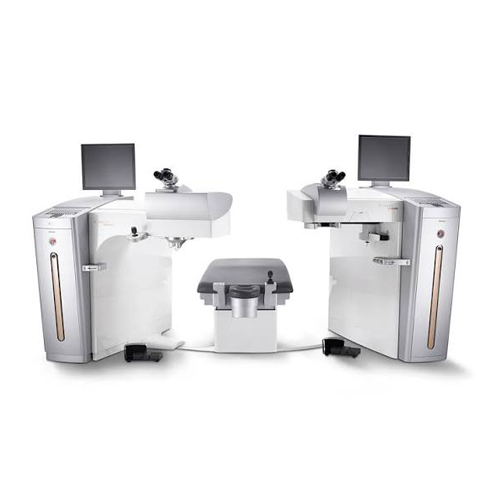
FEMTOSECOND LASER (Bladeless LASIK) — Highly precise refractive surgery for myopia, hyperopia, and astigmatism using laser instead of a microkeratome blade, offering faster healing and better precision.
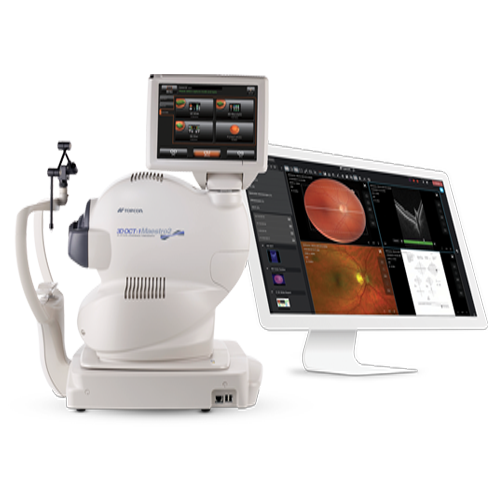
Optical Coherence Tomography (OCT) — Non-invasive, high-resolution imaging of the retina and optic nerve, essential for diagnosing retinal and optic nerve disorders with extreme accuracy.
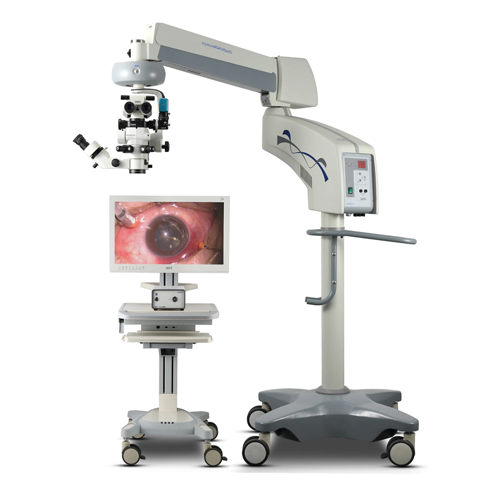
Phacoemulsification — Advanced cataract removal technique using ultrasonic vibration to break up the clouded lens and remove it through a small incision, allowing faster recovery than traditional cataract surgery.
Vitrectomy Systems — Minimally invasive removal of vitreous (gel) from the eye to treat retinal detachments, diabetic retinopathy, and other posterior segment disorders.
Multifocal & Toric IOLs — Premium intraocular lenses implanted during cataract or refractive surgery that correct presbyopia and astigmatism simultaneously, reducing or eliminating need for glasses post-surgery.
Corneal Topography & Wavefront Analysis — Advanced diagnostic imaging to map corneal shape and optical aberrations, enabling customized LASIK and IOL selection for optimal visual outcomes.
Glaucoma Laser Treatment — Non-surgical laser procedures (selective laser trabeculoplasty, cyclophotocoagulation) to lower intraocular pressure and halt glaucoma progression.
Retinal Imaging & Angiography — High-resolution diagnostic imaging of retinal blood vessels and structure, crucial for diagnosing and monitoring diabetic retinopathy, age-related macular degeneration, and retinal detachment.
Frequently asked questions (FAQ)
LASIK is an extremely safe procedure when performed by experienced surgeons using modern equipment. Candidacy depends on: stable vision for at least one year, healthy eyes without significant dry eye or corneal thinning, and age (typically 18+, usually under 40 for best results). Send us your most recent eye exam report and refractive error details, and our partner ophthalmologist will assess whether you’re a good candidate. Not everyone is suitable for LASIK — some patients are better candidates for PRK, SMILE, or other refractive corrections.
Cataract surgery costs vary based on the lens type (standard monofocal vs. premium multifocal/toric), hospital facility, and surgeon. Cataract surgery in India is generally 40–60% less expensive than in Thailand and significantly cheaper than in Western countries, while offering the same surgical quality and modern equipment. Premium lens options (multifocal IOLs that reduce glasses dependence) cost more but are still far more affordable abroad than in Bangladesh. Once we review your specific case, we provide a transparent cost estimate.
Standard monofocal IOLs correct vision at one distance (usually distance), and you’ll still need glasses for reading. Premium multifocal or toric IOLs correct multiple distances and/or astigmatism, potentially reducing or eliminating glasses dependence. Premium lenses cost more, but many patients find the freedom from glasses worth the investment. Your ophthalmologist will discuss options based on your lifestyle, eye health, and budget.
LASIK patients typically see improvement within 24 hours and stable vision within 1–3 months. You can usually return to light activity within a few days, though full healing takes 3–6 months. Cataract surgery recovery is similar — vision improves within days, stabilizes within 4–6 weeks, and full healing takes up to 3 months. Your surgeon will give specific recovery guidelines based on your procedure.
For most procedures (LASIK, cataract surgery), treating both eyes on the same day is safe and standard practice. This approach saves time and accommodation costs. However, some surgeons prefer treating one eye first, waiting a few days, then treating the other, depending on your specific condition and surgeon preference. This will be discussed during your consultation.
It depends on your choice of lens and procedure. With standard monofocal cataract lenses, most people need glasses for reading even if distance vision is clear. With multifocal lenses, many patients reduce or eliminate glasses dependence. After LASIK, most people achieve clear distance vision without glasses, though some may still need reading glasses after age 40 (presbyopia). Premium lens options can minimize this. Your ophthalmologist will discuss what to expect.
Yes, diabetic retinopathy ranges from mild (requiring monitoring) to severe (requiring laser or surgical treatment). Early-stage retinopathy can often be managed with better diabetes control and monitoring. Advanced cases may require panretinal photocoagulation (laser treatment to prevent vision loss) or vitrectomy (surgical removal of vitreous to clear bleeding and restore vision). Early detection and treatment are critical to preventing blindness. If you have diabetes and haven’t had a retinal exam recently, send your reports and we’ll arrange screening.
Your Vision. Your Independence. Our Focus.
Don’t let eye problems limit your quality of life. Upload your eye exam report, imaging, or specialist notes — our eye care team will respond within 24-48 hours with a treatment plan and cost estimate.