
Advanced Cancer Treatment, Made Shohoj
Cancer is not the end. Win Cancer.
Leading hospitals, expert oncologists, faster appointments, and complete treatment support abroad.
Win Cancer
Cancer is one of the most feared diseases, but medical science has advanced tremendously over the last decade. Today, many cancers can be cured when detected early, while others can be successfully controlled for years with modern treatment.
With advanced diagnostics, precision surgery, targeted therapy, immunotherapy, and next-generation radiation technologies, patients now have more treatment options and better outcomes than ever before.
At Shohoj Medical Service, we connect Bangladeshi patients with leading cancer centers in India, Thailand, and China for comprehensive cancer care.
Treatment for Various Cancer types

Breast Cancer
Invasive Ductal Carcinoma (IDC) and Invasive Lobular Carcinoma (ILC). Comprehensive treatment including Breast reconstruction surgery

Lung Cancer
Lung cancer treatment is highly individualized. The primary strategies include surgery, cyberknife, chemotherapy, radiation therapy, targeted drug therapy, and immunotherapy.

Prostrate Cancer
Prostate cancer treatment depends on the cancer’s stage. Common options include monitoring slow-growing tumors, surgery (prostatectomy), radiation therapy, and hormone therapy. Tulsa Pro is highly effective also.

Liver Cancer
Liver cancer treatment depends on the tumor size, stage, and the patient’s liver function. Early-stage cases may use surgery or ablation. Advanced cases rely on targeted therapies, immunotherapy, or chemoembolization to shrink tumors and extend life.

Abdominal Cancer
Abdominal cancer treatment depends on the exact organ affected (like stomach, liver, intestine or colon) and the stage of the disease. Various treatment including Surgery is available for this.

Blood Cancer
Leukemia, lymphoma, and myeloma. Extended to Acute Myeloid Leukemia (AML) and Acute Lymphoblastic Leukemia (ALL). Hodgkin Lymphoma and Non- Hodgkin Lymphoma. Bone marrow transplant and other treatment options are used for cure.

Brain Tumor/ Cancer
Brain cancer treatment requires a multidisciplinary approach tailored to the tumor type, size, location, and the patient’s health. The primary options include surgery to remove the tumor, radiation therapy to destroy remaining cancer cells, and chemotherapy.

Pediatric Cancer
Pediatric cancer treatment uses a mix of therapies to destroy cancer cells while protecting a child’s growing body. Common treatments include chemotherapy, surgery, radiation, and newer methods like immunotherapy.

Bone Cancer / Osteosarcoma
Bone cancer treatment is managed by a multidisciplinary team using surgery, chemotherapy, and radiation therapy. In many cases, limb-salvage surgery can remove the tumor while preserving the affected limb, making amputation unnecessary.

Thyroid, Mouth and Neck Cancer
Treatments for thyroid, mouth, and neck cancers usually involve a combination of surgery, radiation, and medication. Doctors tailor these treatments based on the size of the tumor, where it is located, and how much it has spread.

Spinal cord Tumor / Cancer
Treatments for spinal cord cancer and tumors aim to remove the growth, relieve pressure on the nerves, and manage pain. Common options include surgery to remove the tumor, radiation therapy to shrink it, and medicines like chemotherapy or steroids.

Other Cancer types
Cancer treatments aim to remove the cancer, destroy cancer cells, or stop them from growing. Doctors often use combinations of therapies tailored to the specific type, stage of the disease, and the patient’s overall health. Common methods include surgery, medications, and radiation
Latest Technologies for Cancer Cure
Modern cancer treatment uses advanced technologies to improve treatment success while reducing pain, side effects, and recovery time. Depending on the type and stage of cancer, doctors may recommend surgery, chemotherapy, immunotherapy, targeted therapy, radiation therapy, or radiosurgery. With the right treatment at the right time, many cancers can now be treated more effectively than ever before.
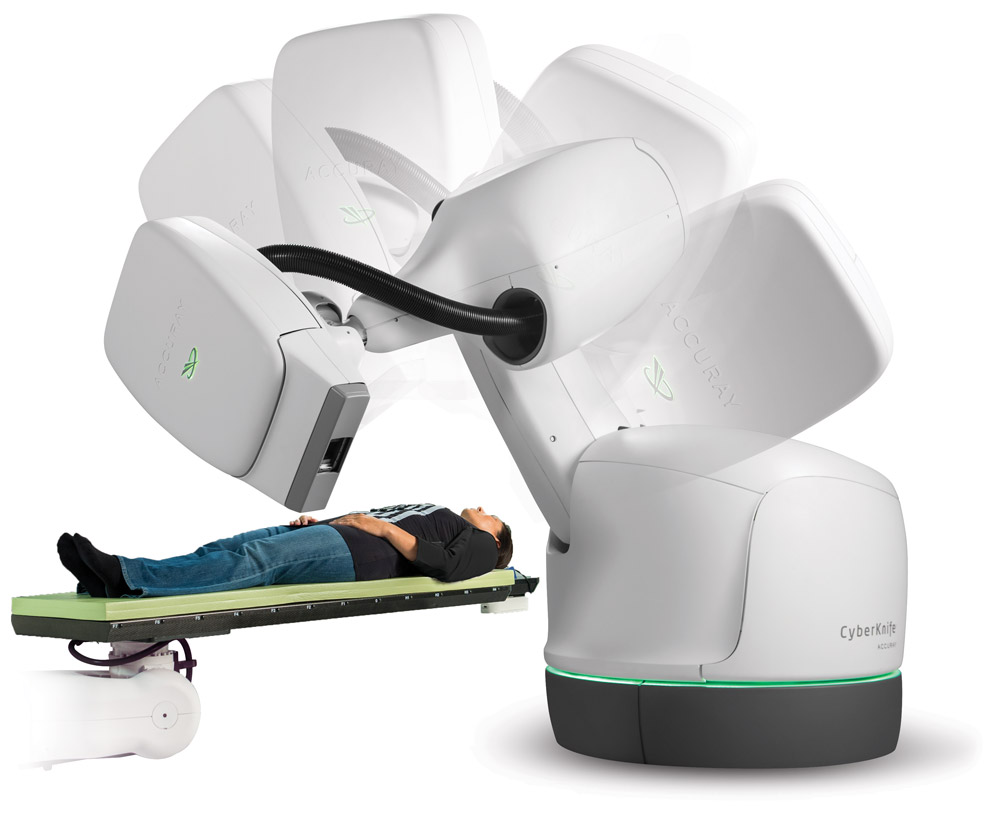
CyberKnife®
Non-invasive robotic radiosurgery that treats tumors with sub-millimeter precision while minimizing damage to healthy tissues.
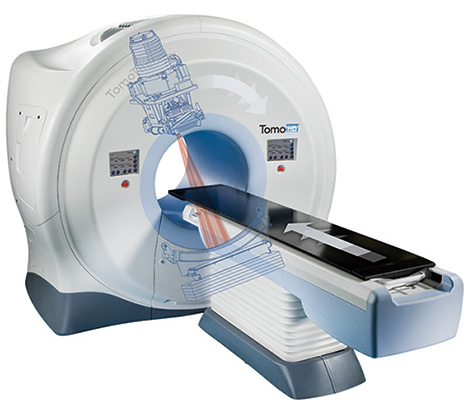
TomoTherapy®
Combines CT imaging and radiation therapy, allowing highly accurate treatment for complex cancers.
Ethos™ Adaptive Radiotherapy (Varian)
AI-guided radiation treatment that adapts daily according to changes in the patient’s anatomy.
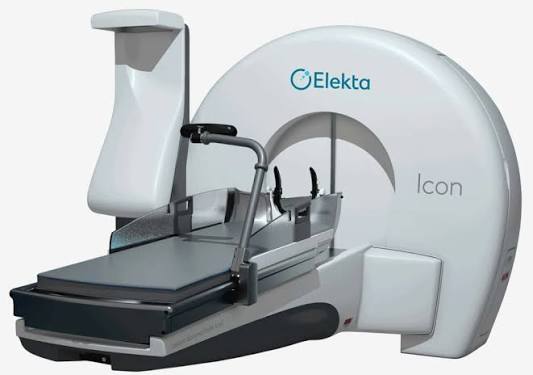
Gamma Knife®
Highly precise radiosurgery designed primarily for brain tumors and neurological conditions.
Robotic Cancer Surgery
Minimally invasive procedures with smaller incisions, less pain, and faster recovery.
Immunotherapy
Harnesses the body’s immune system to identify and destroy cancer cells.
Targeted Therapy
Precision medicines designed to attack specific cancer mutations while reducing side effects.
Brachytherapy
Internal radiation therapy delivering high doses directly to tumors.
Proton Therapy
Advanced radiation treatment that can reduce damage to surrounding healthy tissues.
TULSA-PRO®
Incision-free MRI-guided treatment for localized prostate cancer.
Comprehensive FAQ for starting Cancer care
Choosing the right cancer treatment starts with the right information. Our comprehensive FAQs are based on the questions patients ask most throughout their treatment journey—from diagnosis confirmation and treatment options to costs, travel planning, expected outcomes, and follow-up care—helping you make informed decisions with confidence.
Send us any available medical reports (pathology, imaging, existing diagnoses, treatment recommendations). We’ll have a partner oncologist review your case within 24–48 hours and provide a preliminary assessment, treatment options, estimated costs, and timeline. No pressure or obligation — it’s a free consultation to help you make an informed decision.
Completely free. We absorb the coordination cost. Once you decide to move forward with treatment, but if visa needs to be processed by us, then there are cost associated with it — but the initial expert review and consultation carry no cost to you.
Absolutely. A second opinion from an experienced international oncologist can provide valuable perspective, especially for complex cases. Send your pathology reports, imaging (CT/MRI/PET scans), and any existing treatment recommendations to us — one of our partner oncologists will review your case and provide an independent assessment within 24–48 hours. This happens at zero cost to you and requires no upfront travel. A fresh expert perspective is invaluable before making such an important decision, and many patients find that an international review either confirms their local diagnosis or suggests a significantly different approach.
This depends on the country and the trade-offs you’re willing to make. In India, government hospitals like CMC (Vellore) and Tata Memorial (Mumbai) are excellent for quality but come with significant drawbacks for international patients: long waiting times (weeks or months for appointments and surgery), limited ability to choose your doctor (the hospital allocates whoever is available), difficulty obtaining visa invitation letters (which delays your travel start), and sometimes outdated infrastructure. Private hospitals in India offer state-of-the-art technology, faster turnaround (days to 1–2 weeks, not months), the ability to choose your treating surgeon or oncologist, and easier visa processing. The upfront treatment cost at private hospitals is higher, but when you factor in total cost (accommodation, attendant leave from work) over a 3–4 month treatment timeline, the private hospital route is often more economical because treatment happens faster.
In Thailand, most cancer treatment for international patients happens at private hospitals — government hospitals are less commonly used. Thai private hospitals offer excellent infrastructure, English-speaking staff, and premium comfort, but costs are significantly higher than India. Thailand works well if you prioritize hospital comfort and have a larger budget.
In China, both government and private hospitals treat international cancer patients, with private hospitals offering faster coordination and easier visa processes, though at higher cost than India.
Shohoj’s approach: We partner exclusively with carefully selected private hospitals in India, Thailand, and China that offer the best balance of quality, speed, cost, and international patient service. We don’t work with government hospitals because the visa and logistical complications make it difficult to coordinate care reliably for international patients. Most Bangladeshi patients choose India (the best value and highest volume of expertise for your needs), but we can guide you to Thailand if you prioritize comfort and convenience, or China if your specific cancer type benefits from specialized expertise there. The upfront treatment cost at our private hospitals may be higher than CMC or Tata, but the total cost of care — including speed, visa ease, doctor choice, and dedicated logistics support — makes it the smarter long-term decision.
No — the treatment cost itself is identical whether you contact the hospital directly or go through Shohoj. In fact, Shohoj often negotiates discounts on treatment packages that you wouldn’t receive as an individual, and we frequently pass these savings to our patients. The real value of Shohoj isn’t in the treatment cost itself — it’s in speed, efficiency, and peace of mind. Here’s what we handle: visa invitations (which hospitals sometimes delay), apartment booking (a confusing market if you’re unfamiliar), appointment scheduling, and all coordination. Doing this yourself could easily take 4–6 weeks of back-and-forth emails and visa delays; we do it in 1–2 weeks. We also assign a dedicated local focal point at the hospital who becomes your personal contact — ensuring you don’t get lost in hospital bureaucracy and things move quickly. And critically, if anything goes wrong during your treatment (a complication, a scheduling mix-up, a question at 2 AM), you have Shohoj as your 24/7 backup support. Patients who try to manage everything solo often end up wishing they’d used us from the start.
Many patients only compare the surgery or chemotherapy cost itself, missing the bigger financial picture. A cancer treatment abroad (surgery + chemotherapy rounds over 3–4 months) costs more upfront than equivalent treatment in Bangladesh if such treatment were available at all. But the total cost equation includes: accommodation for the patient and attendant (3–4 months), the attendant’s lost wages from work leave (often the patient’s spouse or parent), travel, and the speed factor. At a private hospital through Shohoj, you might complete treatment in 8–12 weeks. At a government hospital in India, that same treatment could stretch to 6–9 months due to waiting times — meaning 6 additional months of accommodation, attendant leave, and delay in the patient returning to productivity. The “cheaper” option often becomes expensive once you factor in total cost and lost time. Shohoj’s job is to keep you in treatment as briefly as possible through fast coordination, minimizing your total cost of care.
Quality control and accountability. We’ve vetted our hospital portfolio based on: surgeon experience and track records, technology and infrastructure, patient outcomes, visa-processing reliability, and quality of post-operative care. We intentionally don’t work with all private hospitals — maintaining a curated list ensures we can confidently recommend them, negotiate on your behalf, maintain strong relationships for fast coordination, and take responsibility for your experience. If something goes wrong, we own it. That selective approach is why our patients get better outcomes and faster logistics than if we referred them to any available hospital. Our portfolio represents the best options in India, Thailand, and China for each cancer type.
All of it — our partner hospitals offer the full spectrum: chemotherapy, radiation (including advanced techniques like CyberKnife, Gamma Knife, TomoTherapy), immunotherapy, and targeted therapy. Many offer the same cutting-edge treatments (PD-1/PD-L1 inhibitors, CAR-T cell therapy, precision oncology testing) that Western hospitals do, often at 50–70% lower cost.
Yes, and many patients do. If you’ve had surgery in Bangladesh, you can continue chemotherapy, radiation, or immunotherapy abroad under one of our partner oncologists, who’ll review your full records and either continue or optimize your existing plan. Send us your treatment records and current status, and we’ll assess the best path forward and provide a cost estimate for continuing care with us.
Costs vary dramatically by cancer type and treatment complexity. A single chemotherapy cycle might cost $500–$1,000, while a complex surgery plus radiation could be $10,000–$30,000+ depending on the hospital and extent of treatment. A complete cancer treatment (surgery + multiple chemo rounds + radiation/immunotherapy) in India through Shohoj’s partner hospitals costs 40–60% less than in Thailand and 50–70% less than in Western countries, while meeting international safety and outcome standards. Importantly, this is the same treatment cost you’d negotiate directly with the hospital — Shohoj doesn’t markup the treatment itself. What Shohoj adds is: (1) negotiated discounts on treatment packages (we have volume relationships), (2) speed (which reduces accommodation and attendant costs), and (3) logistics coordination (eliminating weeks of visa delays and booking frustration). Once we review your diagnosis and proposed plan, we give you a detailed, itemized cost breakdown including treatment, hospital stay, anticipated accommodation, and our coordination fee — no surprises.
Most standard health insurance in Bangladesh doesn’t cover foreign treatment, but some premium policies do. We recommend checking your policy first. Regardless, many patients find that the total cost of treatment abroad (even out of pocket) is lower than the cumulative cost of treatment in Bangladesh plus managing complications or recurrence. We can also advise on flexible payment plans or phased treatment approaches to spread costs over time if needed.
Shohoj charges zero coordination fees. The treatment cost is identical whether you contact the hospital directly or go through Shohoj — there’s no markup, no hidden charges, no added cost to you. What we add is speed, efficiency, and support, at zero cost to you. In fact, because Shohoj coordinates with hospitals in bulk and has strong relationships with them, we often negotiate discounts on treatment packages that individual patients wouldn’t receive. If a discount is available, we pass it directly to you — so going through Shohoj can actually save you money compared to contacting the hospital alone. Our value is in the speed of coordination (visa, accommodation, appointments in 1–2 weeks instead of 4–6 weeks), the assignment of a dedicated local focal point at the hospital, and the 24/7 backup support if anything goes wrong. All of this is included at no additional cost.
In some cases, yes. For example, some patients have surgery abroad, then continue chemotherapy or radiation in Bangladesh under a local oncologist following the abroad team’s protocol. Others phase treatments over multiple shorter trips. This isn’t ideal (continuity of care under one team is strongest), but if finances are tight, it’s a real option. Discuss your budget constraints upfront, and we’ll explore what’s medically feasible and cost-effective for your specific case.
This varies hugely by cancer type and treatment stage. Pre-treatment workup (final scans, blood work, surgeon consultations) might be 3–7 days. Surgery alone could be 5–10 days in hospital, plus 1–2 weeks recovery before flying. Chemotherapy can be done with multiple short trips (week-long stays every 3–4 weeks for several months) or, if medically feasible, managed partly in Bangladesh after initial treatment abroad. Radiation therapy (CyberKnife, TomoTherapy) might be 1–4 weeks depending on the protocol. Your treatment team will give a specific timeline once your plan is finalized.
Strongly recommended, especially for surgery or intensive chemotherapy. Your caregiver will help manage medications, doctor communication, and emotional support. They’ll need a visa (India, Thailand, China all provide medical visas), and we help arrange this. Accommodation and local transportation for the caregiver are included in our coordination.
It depends on the treatment phase. During surgery recovery or intensive chemotherapy, you’ll need to stay close to the hospital for monitoring and manage fatigue/side effects. Between chemotherapy cycles or during radiation, some patients have flexibility for local activity. Your medical team will advise what’s safe given your specific treatment.
Our partner hospitals have 24/7 emergency departments and ICU facilities. You’ll have direct contact with your treating team at all times. We also help arrange travel insurance that covers emergency care abroad (highly recommended). In extremely rare cases where you need immediate return to Bangladesh, we can facilitate medical evacuation, though this is very uncommon with our partner hospitals’ standard of care.
Hair loss depends on the specific chemotherapy drugs and doses — not all regimens cause it. If hair loss does occur, it’s typically temporary, and hair regrows within 3–6 months after treatment ends. Some newer treatments (like targeted therapies) have lower hair-loss risk. Your oncologist can discuss the specific risk for your treatment plan. Many patients use wigs, scarves, or head coverings during treatment if desired.
Side effects vary by treatment type: chemotherapy can cause nausea, fatigue, and low immune counts; radiation can cause localized skin irritation and fatigue; immunotherapy can cause immune-related inflammation. Modern hospitals manage these aggressively with anti-nausea medications, growth-factor injections, dietary support, and close monitoring. Many side effects are preventable or manageable if caught early — this is where expert oncology centers shine. Your team will discuss specific risks and management strategies before treatment starts.
Recovery timelines depend on the cancer type and treatment intensity. After surgery, most patients return to light activities within 2–4 weeks, full activity within 6–8 weeks. After chemotherapy ends, fatigue may persist for weeks to months, but most patients gradually return to work and exercise within 2–3 months. Radiation side effects vary by type and location — your team will give specific guidance. Don’t rush recovery; oncologists typically recommend a gradual, monitored return to normal activity.
Survival rates depend heavily on cancer type, stage at diagnosis, and individual factors like age and health status. Early-stage cancers (Stage I–II) often have high 5-year survival rates (60–90%+ for many types), while advanced cancers (Stage III–IV) have lower rates but are still treatable. Your oncologist can give you personalized survival estimates based on your specific diagnosis, stage, and treatment plan. Be cautious of any provider claiming 100% cure rates — cancer medicine is complex, and honest doctors give realistic, evidence-based expectations.
Yes, many recurrences can be treated. Treatment options depend on the type of recurrence (local, regional, or distant metastasis) and how long since the original treatment. Some patients have excellent outcomes with second-line treatments; others have more limited options. This is why ongoing surveillance and follow-up imaging are critical — catching recurrence early gives more treatment options. Discuss recurrence risk and monitoring plans with your oncologist before leaving treatment.
Ideally, a hybrid approach: regular follow-up scans and blood work can be done locally with your Bangladesh doctor, but major decisions or recurrence concerns should involve the original treating team, often via telemedicine. We help coordinate this international follow-up — your overseas oncologist remains “on call” for complex questions, while local care keeps you on track day-to-day. The exact arrangement depends on your cancer type and risk factors.
Contact your original treating hospital immediately — most will review your updated imaging and help guide next steps via telemedicine. If re-treatment is needed, you may travel again, or your local oncologist can implement a modified plan under remote guidance from abroad. Some patients pursue clinical trials or second opinions from other international centers if options are limited.
All medical records are treated with strict confidentiality in accordance with international healthcare privacy standards. Records are shared only between your overseas and local doctors with your explicit consent, and are stored securely. You’ll receive copies of all pathology, imaging, and treatment summaries to keep for your records and future reference.
Bring all pathology reports, imaging (CDs or digital files), previous treatment records, and a list of current medications. The overseas hospital will provide discharge summaries, treatment reports, and follow-up protocols specific to your case, designed for your local doctor to understand and continue your care seamlessly.
TCM (Traditional Chinese Medicine) combined with modern cancer treatment is increasingly studied and offered at select hospitals, particularly in China, where our partner hospitals integrate TCM approaches (acupuncture for side effect management, herbal preparations, dietary therapies) alongside chemotherapy, radiation, and other conventional treatments. Some evidence supports TCM for managing chemotherapy side effects like nausea, fatigue, and pain. However, always discuss any TCM or herbal approach with your oncologist before starting — some preparations can interact with chemotherapy or immunotherapy. Our partner hospitals in China are experienced in coordinating these integrated approaches safely; if you’re interested in combining TCM with conventional cancer treatment, we can connect you with hospitals that offer this option professionally and under close medical supervision.
Nutrition is critical. Many hospitals have dietitians who’ll create a personalized plan to maintain strength, manage side effects, and support immune function during treatment. Generally, good nutrition (adequate protein, calories, micronutrients) is encouraged; extreme or fad diets are discouraged during active cancer therapy.
Your Health. Your Budget. Our Responsibility.
Send us your medical reports for a free treatment evaluation. We’ll compare treatment options, hospitals, and costs across India, Thailand, and China, then help you begin the most appropriate treatment quickly and at the most optimized overall cost.